 Explore Franchising Opportunities


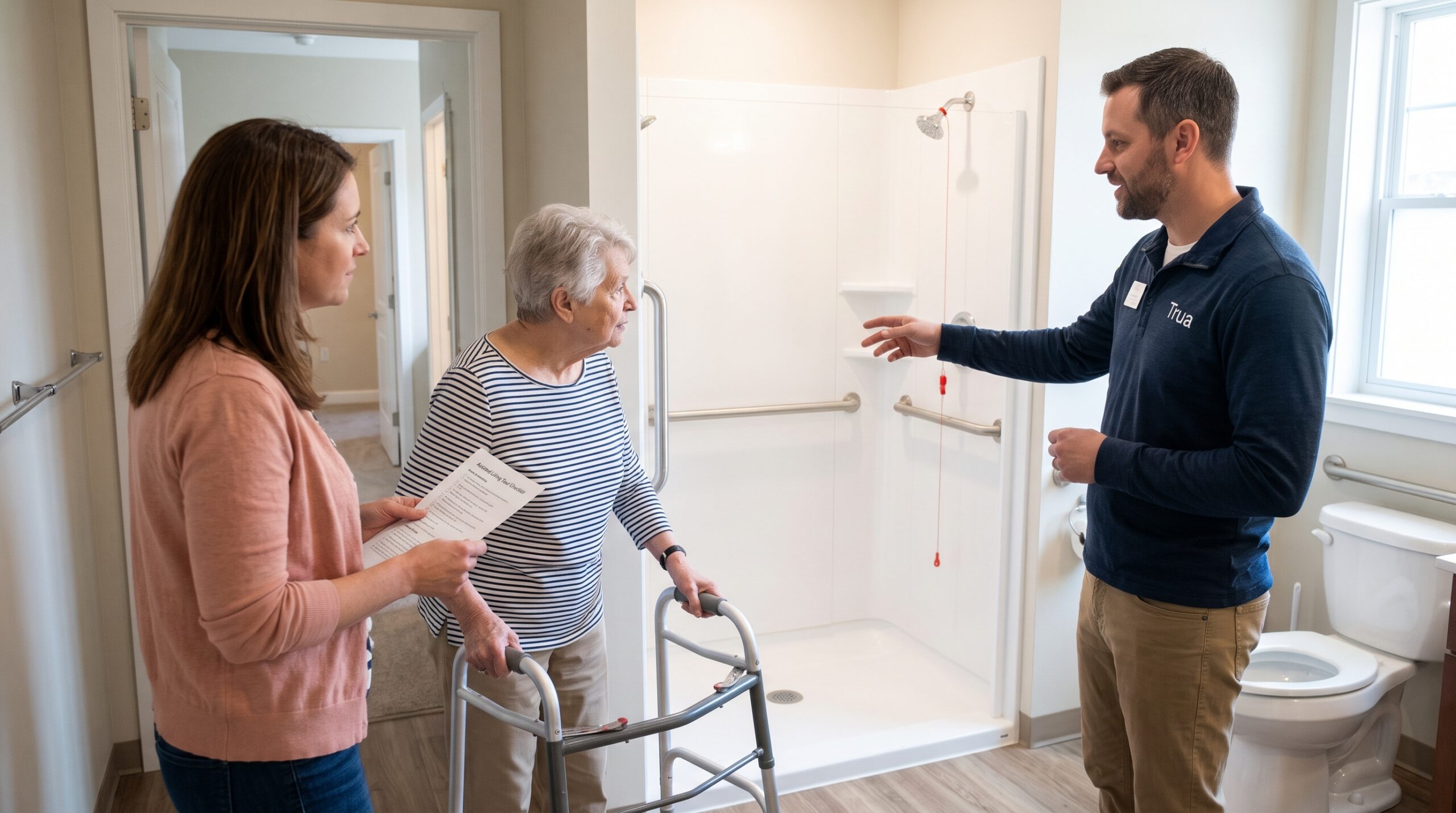
Walking into an assisted living community for the first time can feel like walking onto a staged real estate set. You are greeted with a warm smile, freshly baked cookies in the lobby, pristine model apartments, and a sales director highlighting resort-style amenities.
A beautiful lobby chandelier and upscale décor do not guarantee attentive night shifts, rapid call-light response times, or consistent caregiver retention.
Evaluating a community requires looking past the polished marketing tour and observing the subtle operational realities of daily life. Drawing from over 20 years of clinical experience in senior care and rehabilitation facilities, here is an unfiltered, step-by-step checklist of what to look for, what to listen for, and the non-negotiable questions to ask when touring an assisted living community.
1. The Sensory Audit: What Your Senses Tell You Immediately
Before listening to the sales presentation, take in the atmosphere through your basic senses:
- The Scent Test: Does the building smell clean, or is there a heavy artificial fragrance masking waste odors? While occasional accidents happen, a persistent urine smell in residential corridors indicates delayed changing routines or understaffing.
- The Hallway Soundscape: Pause near an intersection of residential hallways and simply listen for two minutes. Do you hear call bells chiming endlessly without being answered? Do you hear warm, calm conversations between staff and residents, or do you hear frantic footsteps and staff shouting across rooms?
- Natural Lighting & Ambient Temperature: Are corridors bright, airy, and free of shadows (which cause depth-perception issues for seniors)? Are rooms drafty or uncomfortably hot?
2. Staffing Dynamics: Ratios, Demeanor, and Turnover
The care aides, med-techs, and nurses are the people who will actually shape your parent’s health and happiness.
According to federal quality reports by the U.S. Department of Health and Human Services (HHS), staffing consistency and caregiver retention directly correlate with lower fall rates, fewer medication errors, and reduced emergency room transfers in senior care facilities.
Critical Observations:
- Eye Contact and Body Language: Do caregivers acknowledge residents by name as they walk by, or do they look stressed, staring at paper charts or mobile tablets while rushing past?
- Patience During Assistance: Watch an aide assisting a resident into a wheelchair or escorting someone to lunch. Are they moving at the resident’s pace, or do they appear rushed and impatient?
Direct Questions to Ask Leadership:
- “What is your actual caregiver-to-resident ratio during the day, in the evening, and overnight?” (Be cautious of generic answers like “we staff to acuity” ask for concrete shift numbers).
- “How long has your Executive Director and Director of Nursing been with this building?” High turnover in administration almost always cascades into frontline caregiver turnover.
- “Are licensed nurses (RN/LPN) physically in the building 24/7, or are they on-call after 5:00 PM?”
3. Resident Well-Being: Looking at the Real “Vibe”
Model rooms are designed to impress visitors, but observing the current residents tells the true story of community culture:
- Hygiene and Dignity: Look at current residents in common areas. Are their clothes clean and appropriate for the season? Are hair, nails, and facial shaving maintained?
- Engagement vs. Stagnation: Are residents actively interacting, playing games, or chatting in small clusters? Or are dozens of seniors parked in wheelchairs in front of a communal TV with blank expressions?
- Peer Compatibility: Consider your parent’s personality, career background, and interests. Could you realistically see them finding a friend group among the people sitting in the lounge?
4. The Dining Experience: Never Tour on an Empty Stomach
Food is one of the greatest daily pleasures and frequent sources of frustration in senior living. Always schedule your tour to overlap with lunch or dinner:
- Eat the Meal: Ask to be served the regular daily special, not a special dish made for visiting guests. Is the food flavorful, warm, and freshly prepared, or does it taste like institutional reheat?
- Menu Flexibility & Dietary Tailoring: If your parent requires low-sodium, diabetic, pureed, or heart-healthy meals, how are substitutions handled? Is there an “always available” menu if they dislike the daily entrée?
- Dining Assistance: Watch how staff support residents who struggle with utensils or hand tremors. Is help provided discreetly and patiently?
5. Physical Safety and Apartment Infrastructure
Touring a staged model apartment does not show you the exact unit your parent will occupy. Always request to inspect the specific, available apartment they are offering:
- Bathroom Accessibility: Does the shower feature a zero-threshold entry (roll-in/walk-in) with securely anchored grab bars, or does it require stepping over a ledge? Is the toilet elevated?
- Emergency Response Systems: Where are the emergency pull cords or call buttons located? Are there cords placed low to the ground in the bathroom so someone who has fallen can reach them?
- Thresholds and Flooring: Check for raised transitions between carpet and tile that catch walker wheels. Are hallways equipped with sturdy handrails on both sides?
6. Financial Transparency: Uncovering the Hidden Care Fees
Cost confusion is the number one source of family disputes after moving into senior living. Many communities advertise an affordable “base rate” that quickly doubles once care begins.
The Pricing Breakdown You Must Request in Writing:
- The Billing Structure: Does the community charge an all-inclusive rate, or do they bill using an a la carte / tiered acuity system?
- Level-of-Care Triggers: Ask exactly what events trigger a price hike. If your parent starts needing help with compression socks, transfers, or an extra shower each week, how much does that add to the monthly invoice?
- Assessment Schedule: How often are care plans re-evaluated, and do family members participate in those reviews before new charges appear on the bill?
- Community Fee: Is there a non-refundable upfront deposit or “community fee,” and what does it cover?
The Essential Assisted Living Tour Scorecard
Print this quick matrix or keep it on your phone when touring communities:
| Evaluation Category | Green Flags (Look For) | Red Flags (Walk Away) |
|---|---|---|
| Cleanliness & Odors | Fresh airflow; natural, clean environment | Persistent urine odors; heavy chemical fragrances |
| Staff Engagement | Staff greets residents by name; calm pace | Caregivers ignoring residents; rushing between rooms |
| Dining Quality | Chef-prepared fresh meals; flexible choices | Lukewarm, bland food; rigid, single-option trays |
| Safety Features | Zero-threshold showers, well-placed pull cords | High tub edges, cluttered corridors, dark corners |
| Call-Light Speed | Calls answered promptly within 3–5 minutes | Bells chime for 10+ minutes without response |
| Pricing Clarity | Transparent written fee schedule for care tiers | Vague “levels of care” fees explained only verbally |
How Trua Protects You on Community Tours (100% Free)
Touring multiple senior living communities on your own can quickly cause decision fatigue. Sales directors are trained to steer conversations toward amenities and away from state citations, staffing shortages, or fee increases.
Trua: The Senior Living Locators acts as your family’s personal advocate:
- Clinical Background: Founded by Dr. Matt Staley, a Doctor of Physical Therapy and Geriatric Certified Specialist with over two decades of clinical experience inside assisted living and rehabilitative facilities.
- Objective Baseline Assessments: We perform an initial senior living care evaluation to determine your parent’s exact functional and physical tier, ensuring you tour only communities equipped to support them long-term.
- In-Person Tour Accompaniment: We don’t just send you a list of links we physically walk through communities beside you. We know how to read between the lines, examine state survey records, and ask the tough clinical questions.
- Curated Recommendations: We skip the generic directories and narrow your search down to the top 2 or 3 communities that fit your clinical requirements and budget.
- 100% Free of Charge: Our guidance, assessments, and tour accompaniment cost your family nothing.